News
How to chose suitable swatch card sample boards for your mosaic sample showcase
Mosaic display boards made from MDF (Medium Density Fiberboard) , PVC (Snowfoam/Sintra) , and Paperboard (often referred to as cardboard, chipboard, or Kraft board) are common material sample display boards for mosaics, porcelain,stone, wood samples.
1. MDF (Medium Density Fiberboard)
This is an engineered wood product made from wood fibers, wax, and resin pressed under high pressure.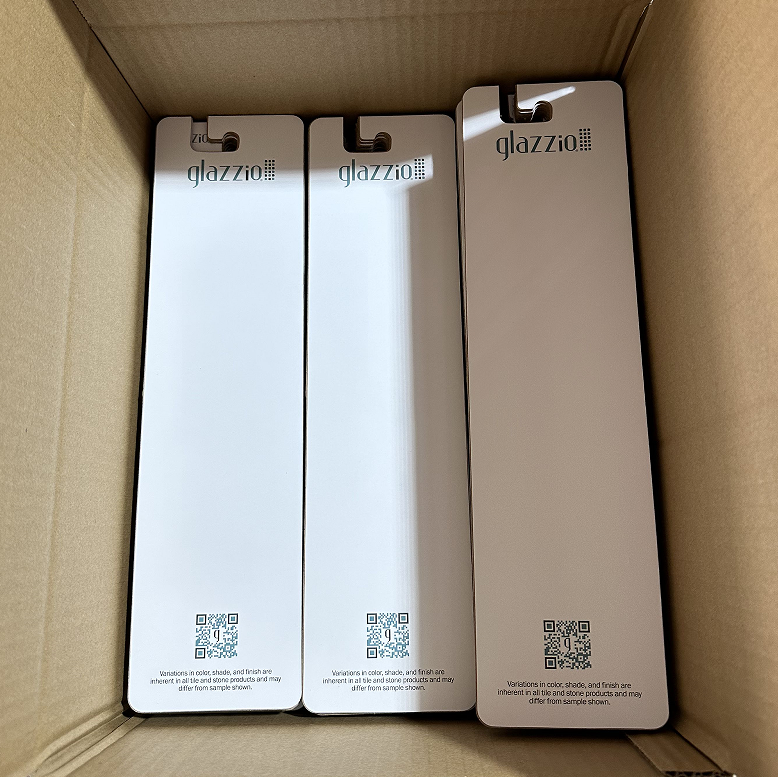
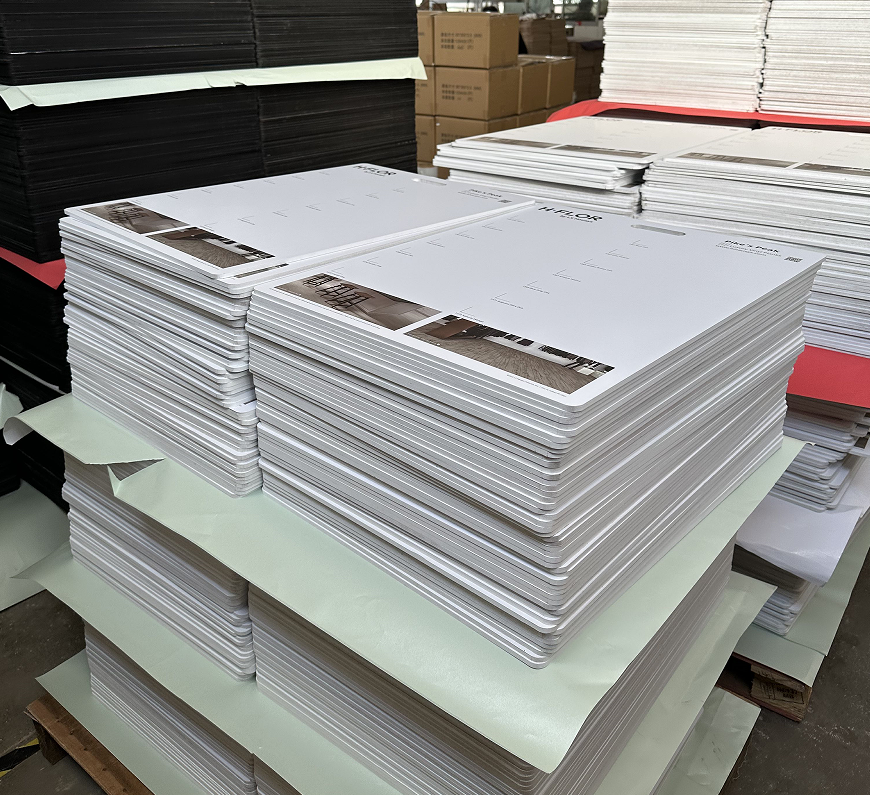 High Durability: Very hard and resistant to impact. Smooth Surface: Provides a seamless, grain-free surface ideal for painting or vinyl application.
Stability: Does not warp easily under normal indoor conditions. Strength: Holds heavy mosaic tiles (glass, ceramic, stone) without flexing.
Heavy: Significantly heavier than PVC or Paperboard, making transport difficult for large displays. Moisture Sensitivity: Swells and disintegrates if it gets wet; not suitable for outdoor use or humid kitchens/bathrooms without sealing.
2. PVC (Snowfoam / Sintra / Expanded PVC)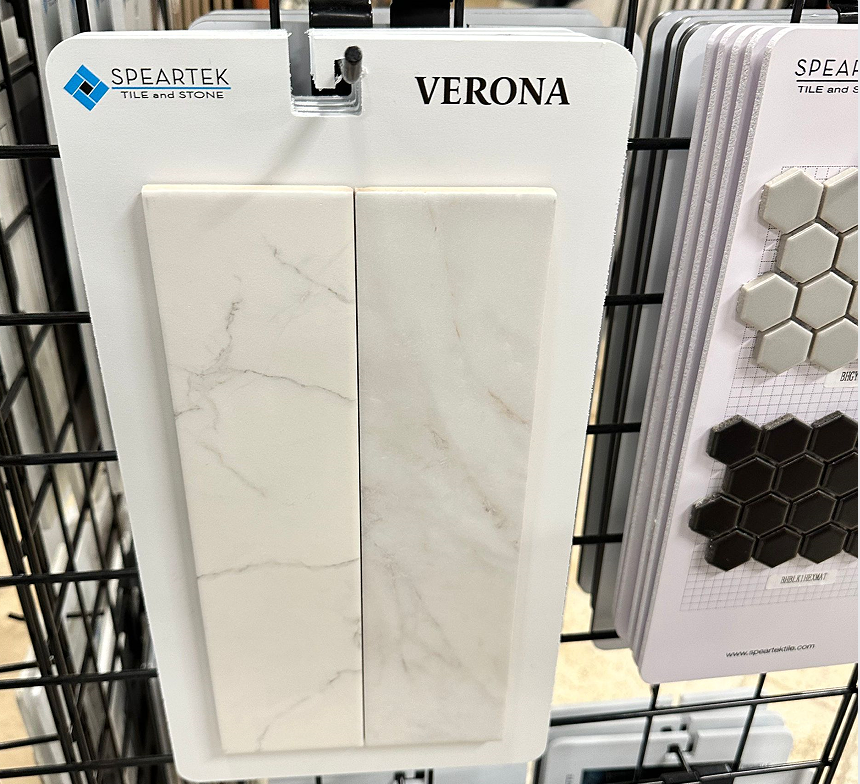
 This is a rigid, lightweight sheet made from expanded polyvinyl chloride. "Snowfoam" is a common brand name for this material in the mosaic world.
Waterproof: Perfect for outdoor mosaics, showers, or wet areas. Will not rot or swell. Lightweight: Easy to hang and transport, yet rigid enough to support heavy glass or ceramic tiles.
Cost: Generally more expensive than MDF or Paperboard. Flexibility: Thinner sheets can be slightly flexible; requires thicker gauges for large, unsupported mosaics to prevent bowing.
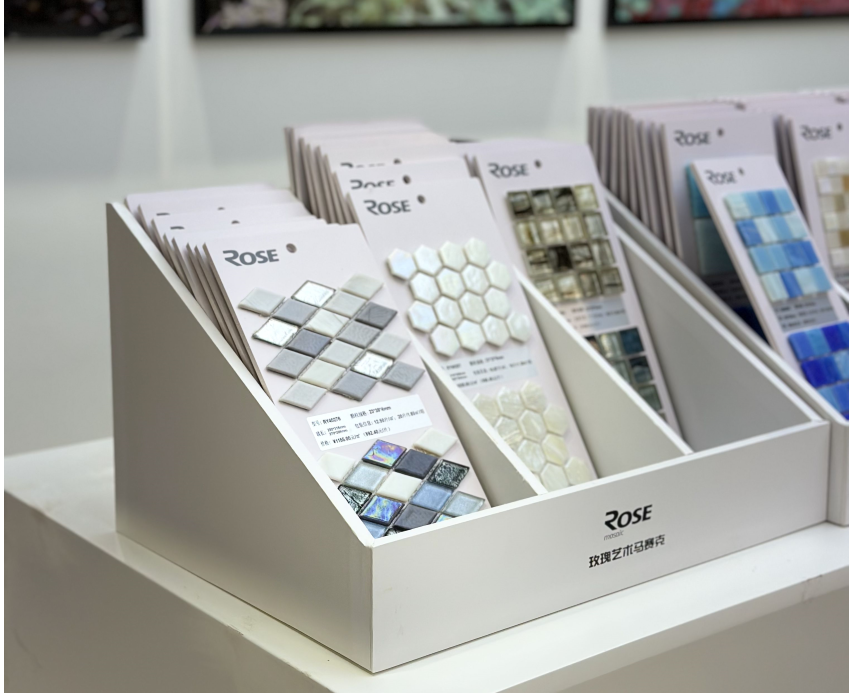
3. Paperboard (Chipboard / Kraft Board)
This is a thick, paper based material made from compressed cellulose fibers.
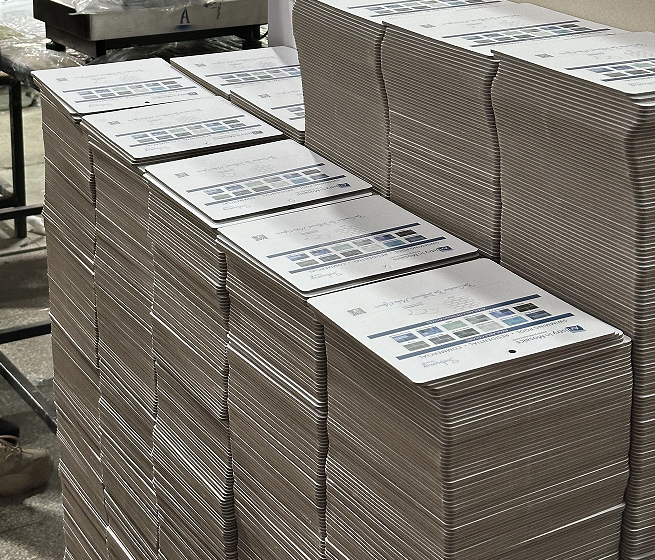
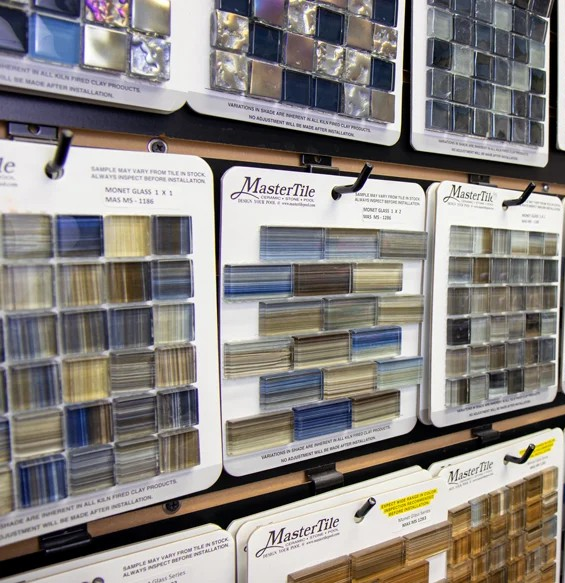 Low Cost: The most affordable option. Ease of Cutting: Extremely easy to cut and shape with scissors or a knife.
Temporary Use: Ideal for the "indirect method" (reverse method) where the mosaic is built on the board and then flipped onto a permanent surface; the paperboard is then peeled away. Lightweight: Easy to handle during the construction phase.
No Structural Strength: Provides almost no support for the finished mosaic. If used as a permanent backing, it will sag or collapse under the weight of the tiles.
Moisture Sensitivity: Completely destroyed by water or even high-humidity glues. Not suitable for outdoor use.
Short Lifespan: Not intended for permanent display; used primarily as a temporary workstation.
---
Summary Comparison
| Feature | MDF (Wood) | PVC (Snowfoam) | Paperboard Greyboard |
| Best Use | Permanent indoor wall art, heavy stone mosaics. | Outdoor signs, kitchen backsplashes, shower walls. | Temporary work boards, indirect method, prototypes. |
| Weight | Heavy | Light | Very Light |
| Water Resistance | Poor (swells) | Excellent | None |
| Durability | High (if kept dry) | High | Very Low |
| Cost | Medium | High | Low |
| Printing | Silk-screen or labels | Silk-screen or labels | CMYK printing |
· Choose MDF if you are making a permanent indoor piece that will not be exposed to moisture and requires a sturdy, flat base.
· Choose PVC (Snowfoam) if you are making a shower, outdoor garden mosaic, or a large sign where weight and weather resistance are critical.
· Choose Paperboard if you are using the indirect method (building the mosaic face-down to be transferred later) or creating a very small, temporary art piece that will be framed immediately.
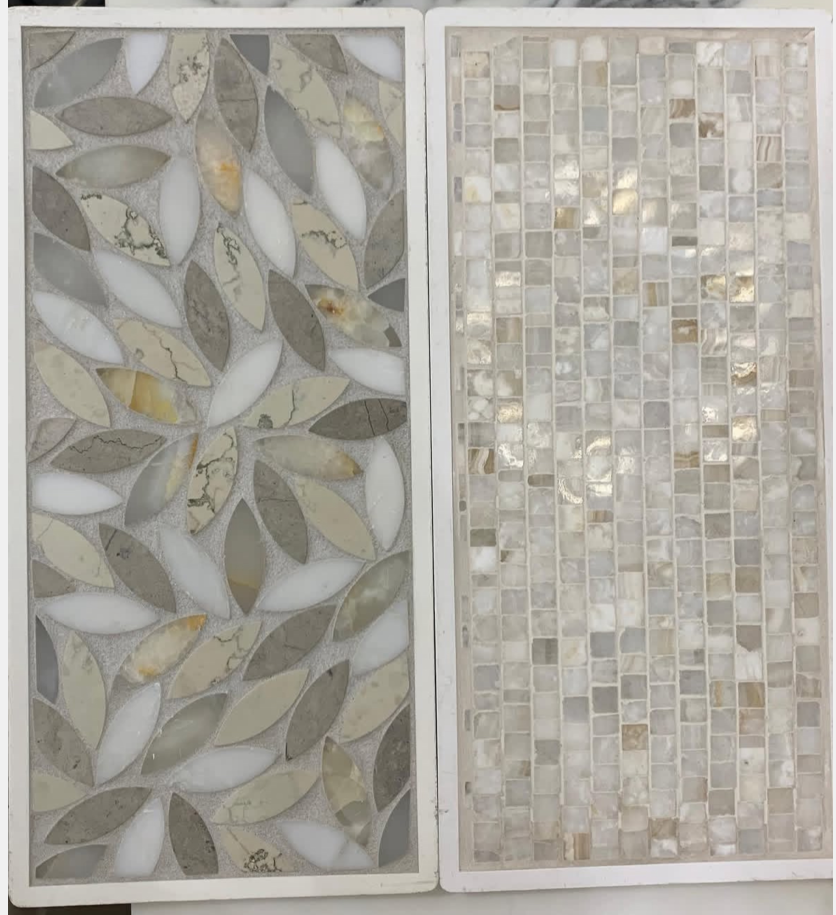
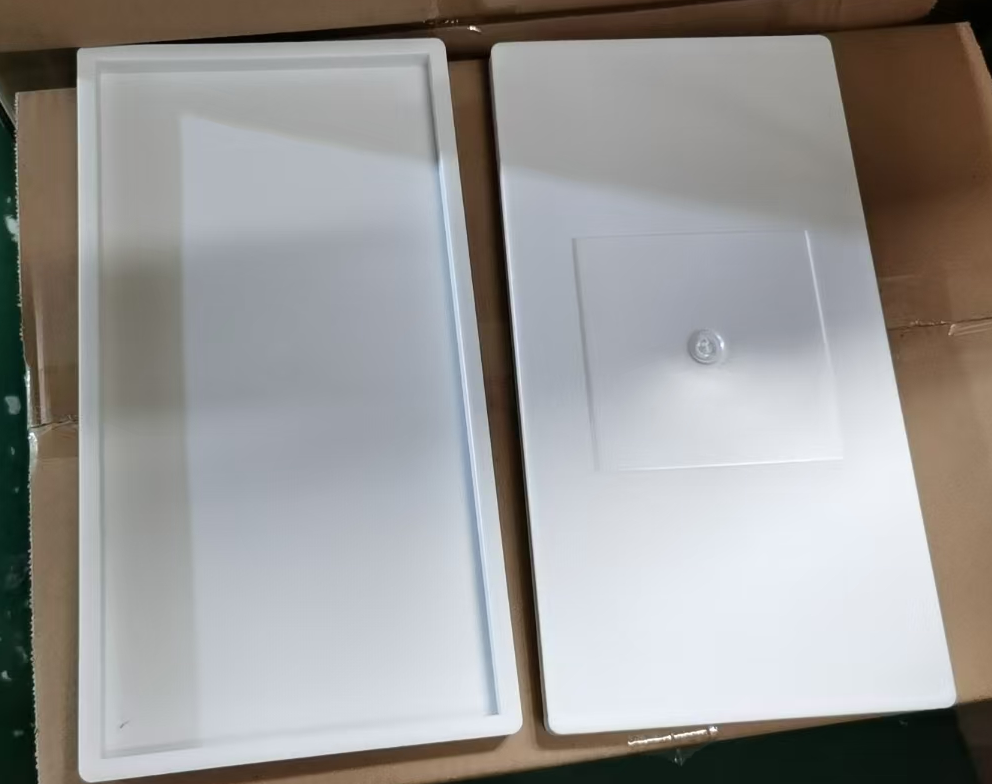
We would like to introduce another plastic boards as another option
The Plastic boards same as Artistic mosaic sample board.
Categories
Hot Products
Contact Us
- +86-13459205507
- +86-13459205507
- Ashley@ecosampledisplay.com
- Skype
- +86-18259404245