News
Key Differences Between EPDM, EVA, Pearl Cotton & XPE Foam
Key Differences Between EPDM, EVA, Pearl Cotton & XPE Foam
1. EPDM Foam (Ethylene Propylene Diene Monomer)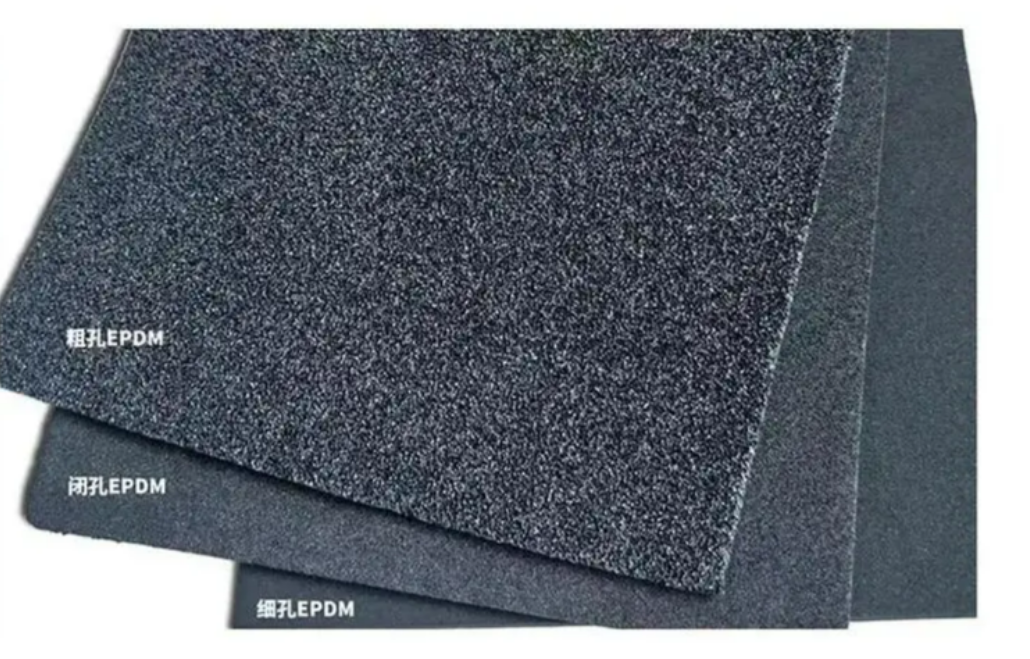
• Material: Synthetic rubber foam.
• Core Features: Excellent weather resistance, UV resistance, ozone resistance, waterproof, and high-temperature resistance (-40°C to 150°C). Good elasticity and sealing performance.
• Hardness: Medium to high hardness, durable.
• Typical Use: Sealing strips, automotive gaskets, outdoor waterproofing, sound insulation.
2. EVA Foam (Ethylene Vinyl Acetate)
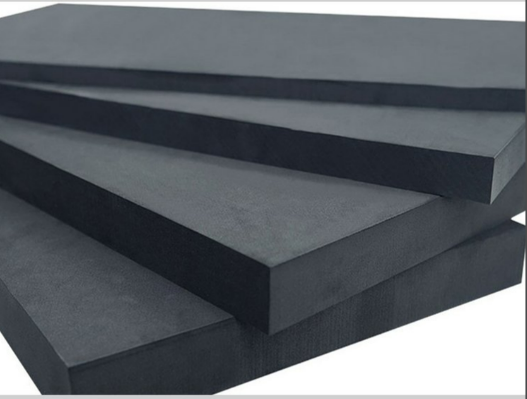
• Material: Copolymer foam.
• Core Features: Soft, flexible, good cushioning, shock absorption, and non-slip. Can be made into high or low density.
• Hardness: Adjustable (soft to medium).
• Typical Use: Shoe soles, yoga mats, packaging liners, crafts, protective padding.
3. Pearl Cotton (EPE, Expanded Polyethylene)
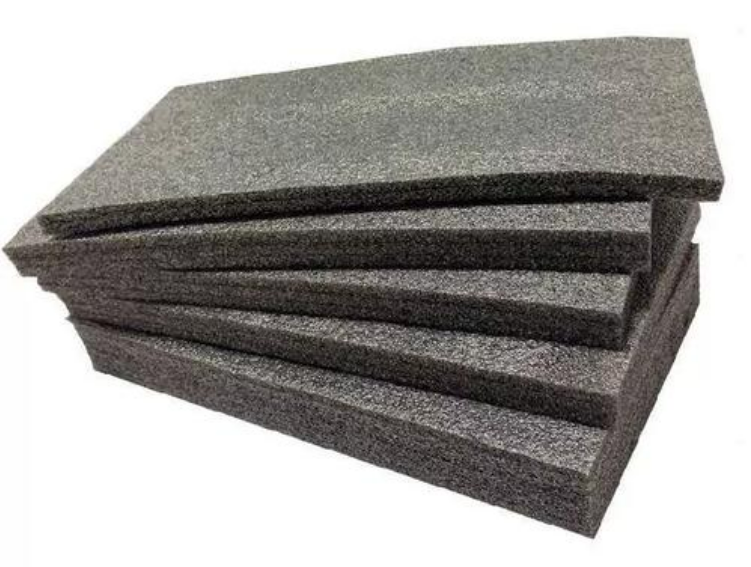
• Material: Expandable polyethylene foam.
• Core Features: Lightweight, good cushioning, shockproof, moisture-proof, low cost. Closed-cell structure.
• Hardness: Soft, compressible.
• Typical Use: Packaging protection for fragile goods, furniture, electronics, and insulation.
4. XPE Foam (Cross-Linked PE Foam)
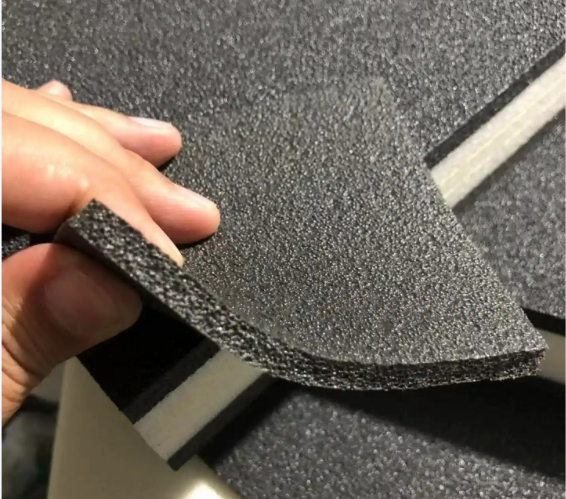
• Material: Cross-linked polyethylene foam.
• Core Features: High density, smooth surface, good resilience, sound insulation, heat insulation, and chemical resistance. More durable than EPE.
• Hardness: Medium density, firm but flexible.
• Typical Use: Car interiors, floor mats, building insulation, sports protection.
Quick Comparison Summary
• Weatherproof & Outdoor: EPDM is the best.
• Soft & Flexible: EVA is most common.
• Light & Cheap Packaging: Pearl Cotton (EPE).
• High Density & Durable: XPE.
EVA, Pearl Cotton & XPE Foam are common insert material for packaging box, sample box. Customer can choose any type of foam to protect their products.
Categories
Hot Products
Contact Us
- +86-13459205507
- +86-13459205507
- Ashley@ecosampledisplay.com
- Skype
- +86-18259404245